The Curaçao Gaming Control Board has established itself as one of the most influential regulatory bodies in the international cryptocurrency gambling landscape. The introduction of LOK licensing represents a pivotal moment for crypto casino operators seeking legitimacy and compliance across global markets. This mandatory transition framework has reshaped how cryptocurrency verification operates within the jurisdiction, creating both challenges and opportunities for operators who wish to maintain their standing as reputable platforms in an increasingly regulated industry.
Understanding the LOK Licensing Framework
The LOK licensing system, implemented by the Curaçao Gaming Control Board, represents a comprehensive verification and compliance protocol specifically designed for cryptocurrency gambling operators. Unlike traditional gaming licenses, LOK licensing addresses the unique challenges posed by blockchain technology, digital currencies, and decentralized transaction systems. The framework ensures that crypto casinos operating under Curaçao jurisdiction maintain transparent operations while protecting player funds and maintaining financial integrity.
Operators offering games from leading providers such as Pragmatic Play, Evolution Gaming, and Microgaming must now demonstrate full compliance with LOK requirements. The licensing transition has become mandatory for any operator seeking to maintain credibility in international markets where players demand assurance of regulatory oversight. This shift reflects the gaming control board’s recognition that cryptocurrency gambling requires specialized regulatory approaches that differ fundamentally from traditional fiat-based gaming operations.
Core Components of LOK Compliance
The LOK framework encompasses several critical compliance components that operators must address during their licensing transition. Financial verification stands at the forefront, requiring operators to demonstrate adequate capitalization, reserve requirements, and transparent accounting practices specifically tailored to cryptocurrency transactions. Operators must provide detailed documentation of their digital wallet management systems, cold storage protocols, and hot wallet security measures to prove they can safeguard player deposits denominated in Bitcoin, Ethereum, and other accepted cryptocurrencies.
Technical infrastructure requirements form another essential pillar of LOK compliance. The gaming control board mandates that operators implement robust cybersecurity measures, including encryption protocols, distributed denial-of-service protection, and regular security audits conducted by independent third-party firms. Operators must also maintain detailed transaction logs that can be audited in real-time, allowing the control board to verify that all player transactions occur transparently and that no funds are diverted to unauthorized purposes.
Cryptocurrency Verification Standards
Cryptocurrency verification represents the most technically complex aspect of LOK licensing. The Curaçao Gaming Control Board requires operators to implement Know Your Customer and Anti-Money Laundering protocols specifically adapted for blockchain environments. This means operators must verify player identities through multiple verification layers, including document authentication, facial recognition technology, and blockchain address traceability. Many operators now employ specialized compliance software from firms like Chainalysis or TRM Labs to monitor transactions and identify potentially suspicious activity patterns.
The verification process extends beyond initial player registration. Operators must conduct ongoing transaction monitoring to detect unusual patterns that might indicate money laundering, fraud, or other illicit activities. This continuous monitoring requirement has become increasingly sophisticated, with operators implementing machine learning algorithms that can identify anomalies in real-time and flag transactions for manual review by compliance specialists.
Mandatory Compliance Requirements for Operators
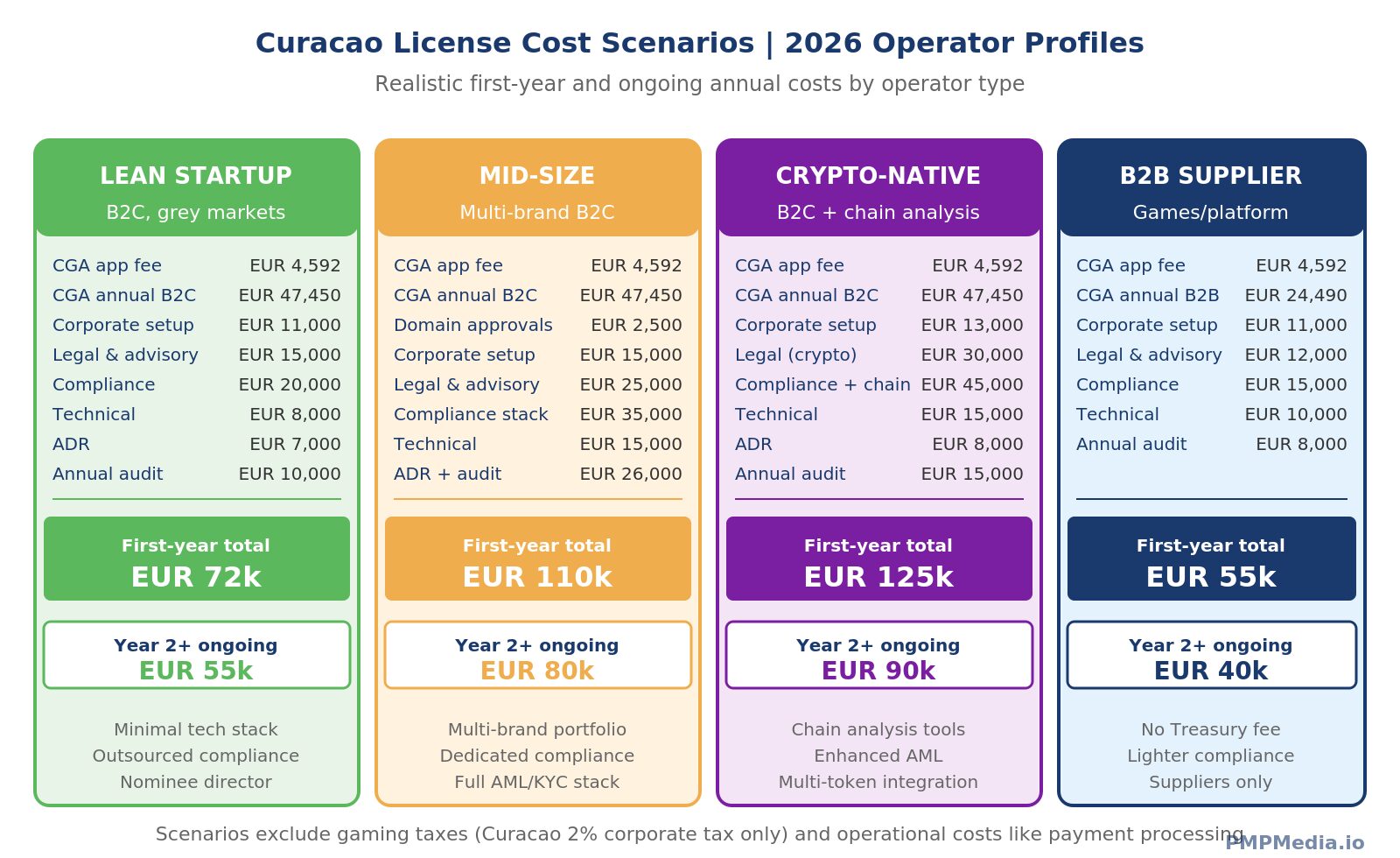
Crypto casino operators seeking LOK licensing must navigate a comprehensive compliance roadmap that touches virtually every aspect of their business operations. The mandatory requirements begin with establishing a physical presence or representative office within Curaçao, ensuring that the gaming control board can conduct on-site inspections and maintain direct communication channels with operational management. This requirement has led many international operators to establish regional headquarters in Willemstad, creating a growing ecosystem of compliance and legal professionals specializing in crypto gaming regulation.
Operators must also implement responsible gambling measures that go beyond traditional gaming protections. These include deposit limits, loss limits, session time restrictions, and self-exclusion mechanisms that operate specifically within cryptocurrency environments. The challenge lies in balancing player protection with the pseudonymous nature of blockchain transactions. Operators must create systems that respect player privacy while simultaneously enforcing protective measures that prevent problem gambling behaviors.
Regular financial reporting represents another critical mandatory requirement. Operators must submit quarterly and annual reports detailing all revenue, player winnings, operational expenses, and cryptocurrency holdings. These reports must be prepared according to international accounting standards and verified by independent auditors with specific expertise in cryptocurrency accounting. The reporting requirements ensure transparency and allow the gaming control board to monitor operator solvency and financial stability.
The Verification and Licensing Transition Process
The transition to LOK licensing involves a structured process that operators must follow methodically to maintain compliance. The initial phase requires operators to conduct a comprehensive internal audit of their current operations, identifying gaps between their existing systems and LOK requirements. This self-assessment process typically involves working with specialized compliance consultants who understand both cryptocurrency technology and gaming regulation.
Following the internal audit, operators must submit detailed documentation to the Curaçao Gaming Control Board outlining their compliance roadmap and timeline for implementation. This submission includes technical specifications of security systems, organizational charts showing compliance responsibilities, sample player verification procedures, and comprehensive descriptions of all cryptocurrency payment processing methods. The board reviews these submissions and may request additional information or modifications before proceeding to the next phase.
Implementation and Ongoing Compliance
Once the gaming control board approves an operator’s compliance plan, the implementation phase begins. Operators must upgrade their technical infrastructure, integrate new compliance software, and train staff on new procedures. This phase typically requires significant investment in both technology and human resources. Operators must hire dedicated compliance officers, implement new accounting systems, and establish audit trails that document every transaction and compliance decision.
Ongoing compliance represents a continuous commitment rather than a one-time achievement. Operators must conduct regular internal audits, maintain updated documentation, and respond promptly to any inquiries from the gaming control board. Annual license renewal requires operators to demonstrate continued compliance and may involve comprehensive re-audits of their operations. This ongoing requirement ensures that operators maintain high standards throughout their licensing period.
Actionable Strategies for Successful LOK Compliance
Operators seeking to navigate LOK licensing successfully should begin by assembling a dedicated compliance team with expertise spanning cryptocurrency technology, gaming regulation, and financial compliance. This team should include a Chief Compliance Officer with authority to implement necessary changes across all operational departments. The compliance function must operate independently from revenue-generating departments to ensure that profit considerations do not compromise regulatory standards.
Investing in enterprise-grade compliance software provides significant advantages during the transition process. Platforms specifically designed for cryptocurrency gaming compliance can automate many verification procedures, maintain comprehensive audit trails, and generate reports required by the gaming control board. These systems reduce manual workload and minimize human error, creating more reliable compliance documentation.
Establishing strong relationships with the Curaçao Gaming Control Board throughout the compliance process facilitates smoother transitions. Regular communication with board representatives allows operators to clarify requirements, discuss implementation challenges, and receive guidance on emerging compliance issues. Proactive engagement demonstrates commitment to regulatory standards and often results in more favorable treatment during audits and licensing reviews.
Operators should also prioritize transparency in all communications with the gaming control board. Any compliance issues discovered during internal audits should be disclosed promptly along with corrective action plans. This transparent approach builds trust with regulators and demonstrates genuine commitment to maintaining high compliance standards rather than attempting to conceal problems.
Impact on International Crypto Casino Operations
The LOK licensing framework has fundamentally transformed how international crypto casinos operate and market themselves to players. Operators holding valid LOK licenses can now credibly market themselves as regulated and compliant, providing players with assurance that their funds are protected and games operate fairly. This regulatory legitimacy has become increasingly important as players develop greater awareness of the risks associated with unregulated gambling platforms.
The framework has also created competitive advantages for compliant operators. Players increasingly prefer platforms offering reputable licenses, and operators with LOK compliance can command premium positioning in competitive markets. This has incentivized even smaller operators to pursue compliance, gradually raising industry standards across the international crypto gambling sector.
For players evaluating crypto casino platforms, LOK licensing represents a crucial indicator of legitimacy. Players should verify that operators hold current LOK licenses through the Curaçao Gaming Control Board’s official records. Platforms offering popular games from established providers like NetEnt, Yggdrasil, or Push Gaming while maintaining LOK compliance provide significantly greater security and fairness assurances than unregulated alternatives.
Responsible Gambling and Player Protection
While LOK licensing requirements focus heavily on operator compliance and financial integrity, the framework also emphasizes player protection through responsible gambling measures. Operators must implement comprehensive tools that allow players to manage their gambling activity, including deposit limits that can be set in cryptocurrency amounts, session time restrictions, and loss limits that trigger automatic account suspension when reached.
Players engaging with LOK-compliant crypto casinos should utilize these protective tools proactively. Setting realistic deposit limits before beginning play helps prevent excessive spending and maintains gambling as entertainment rather than allowing it to become problematic. Players should also take advantage of self-exclusion features if they recognize warning signs of problem gambling, such as gambling with money needed for essential expenses, chasing losses, or spending more time gambling than intended.
If you or someone you know experiences gambling-related harm, support resources are available through organizations dedicated to problem gambling assistance. Gambling should always be approached as entertainment with funds you can afford to lose completely. Never gamble with money allocated for rent, food, medical care, or other essential needs. The excitement of cryptocurrency gambling should never override responsible financial planning and personal well-being.

Written by